
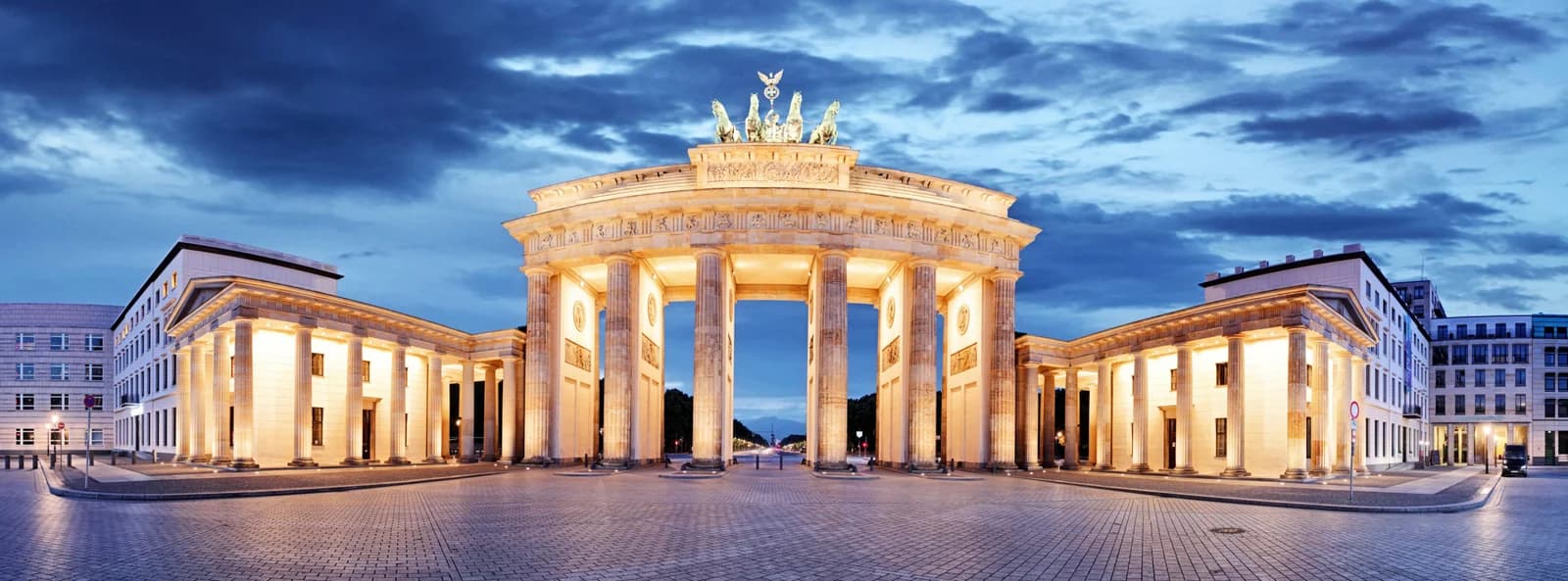
 Europe destination
Germany
Near-zero tuition at public universities and Europe's strongest demand for engineers and IT professionals.
Overview
Germany's offer to Indian students is almost startling in its generosity: public universities charge little or no tuition, even to foreigners. A master's degree in mechanical engineering or data science at a respected Technische Universitat can cost less in total than a single semester in the United States. The catch, and there is always one, is language and preparation. Programs taught in English exist in good numbers at master's level, but daily life, internships and most jobs reward those who learn German, and blocked-account funds must be in place before the visa is filed.
For professionals, Germany has spent the last few years actively opening its doors. The EU Blue Card gives highly qualified workers residence with a path to settlement, the new Chancenkarte (Opportunity Card) lets job seekers come and look for work on a points basis without an offer in hand, and the Ausbildung system offers paid vocational training routes for school leavers, including Indians, in fields like nursing, mechatronics and hospitality. Shortages in engineering, IT, healthcare and skilled trades are structural, not cyclical, which means demand is likely to persist.
Life in Germany suits the organised. Tenancy contracts, health insurance, the Anmeldung registration and tax classes all run on paperwork done properly and on time. Indians form one of the fastest-growing foreign communities, especially in Berlin, Munich, Frankfurt and Hamburg, and student jobs plus post-study work rights make the finances workable for those who plan carefully.
EUR 0
Tuition at most public universities for international students
18 months
Post-study job search residence permit for graduates
50K+
Indian students in Germany, growing every year (approx.)
Opportunities
Where Germany makes sense for Indians
Low-cost master's degrees in engineering and IT
Public universities with minimal tuition and a wide choice of English-taught master's programs, followed by an 18-month post-study job search residence permit.
EU Blue Card for qualified professionals
Software engineers, data professionals and engineers with recognised degrees and qualifying salary offers get fast-track residence and an early route to settlement.
Chancenkarte job-seeker route
The points-based Opportunity Card allows skilled Indians to live in Germany for up to a year while searching for a job, without needing an offer first.
Ausbildung paid vocational training
Three-year paid apprenticeships in nursing, elderly care, mechatronics, hospitality and trades, with a stipend from the first month and strong hiring after completion.
Visa routes
Visa categories we handle for Germany
Student Visa (Visum zu Studienzwecken)
For university study in Germany. Requires an admission letter, a blocked account (Sperrkonto) with around EUR 11,904 for the first year, and health insurance.
EU Blue Card
Residence for highly qualified workers with a recognised degree and a job offer meeting the salary threshold, with a faster path to permanent settlement than standard work permits.
Chancenkarte (Opportunity Card)
A points-based one-year residence permit for job seekers, scored on qualifications, experience, age, language skills and ties to Germany. No job offer required to apply.
Ausbildung Visa
For paid vocational training contracts with German employers. Requires a training contract, usually A2 or B1 German, and proof of funds to cover any gap in the stipend.
Job Seeker and Recognition Routes
Related permits for qualified professionals getting foreign credentials recognised or attending interviews, useful where the Blue Card salary threshold is not met.
Schengen Visitor Visa
For tourism and short business trips up to 90 days, issued by the German mission for travel centred on Germany.
Study in Germany
Universities, costs and SOP guidance
Real universities with official links, rough tuition figures marked approx., and statement-of-purpose advice shaped for Germany.
Universities to know
Popular courses
Rough study costs
Bachelor’s · per year
EUR 0 – 500 per semester at public universities (semester contribution); EUR 10,000 – 20,000 per year at private universities (approx.)
Master’s · per year
EUR 0 – 500 per semester at public universities; EUR 12,000 – 25,000 per year at private universities (approx.)
A blocked account (Sperrkonto) of around EUR 11,904 for the first year is mandatory for the student visa; the figure is revised periodically (approx.).
Essay & SOP guidance
- German universities value academic motivation over emotion. Focus on your subject interest, relevant coursework and projects, and why this specific program fits.
- For English-taught master's programs, show how your bachelor's prepared you: name modules, grades in key subjects, and any research or industry experience.
- Mention your German language plans honestly. Even for English-taught programs, showing A1 or A2 progress signals genuine commitment to living in Germany.
- Indian applicants need APS certification of their academic documents — mention that it is done or underway to show you understand the process.
- Keep the letter structured and factual. German admissions officers prefer clarity and evidence over long personal narratives.
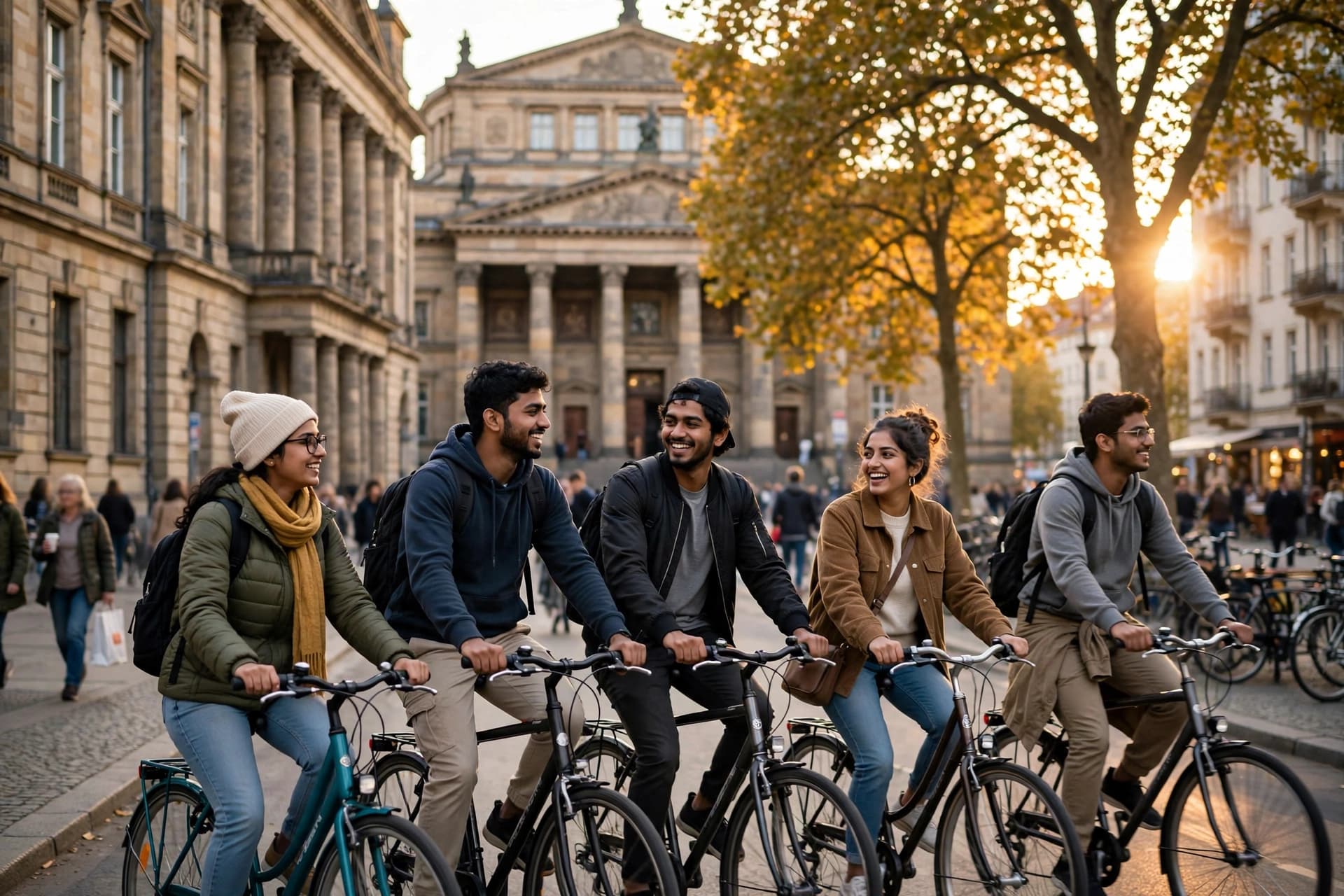
Life in Germany
Beyond the visa: settling in
A visa gets you to Germany. Our pre-departure briefings cover the rest: the practical groundwork of your first month, explained before you board.
- Housing: what to arrange before you fly and what to sort after landing
- Money: forex, international cards and opening a local bank account
- Health cover and insurance requirements for your visa type
- Local essentials: transport, connectivity and emergency contacts
Eligibility
What you generally need
- Blocked account: usually around EUR 11,904 for one year, deposited before the student visa appointment; the figure is revised periodically.
- Language: English-taught programs need IELTS usually around 6.0 to 7.0; German-taught programs and Ausbildung typically need B1 or B2 Goethe certification.
- Academic record: strong grades in relevant subjects matter for numerus clausus programs; APS certification is required for Indian applicants to verify academic documents.
- Blue Card salary: the job offer must meet the annual threshold, lower for shortage occupations like IT, engineering and medicine; check the current year's figure.
- Degree recognition: foreign degrees should be recognised as equivalent, checked through the Anabin database or a Statement of Comparability.
- Health insurance: mandatory from day one; students use public or approved private providers, and proof is needed at the visa stage.
Process
How we take your file forward
Route and readiness check
Study, Blue Card, Chancenkarte or Ausbildung: we match your qualifications, German level and budget to the route with the best odds, and flag gaps like missing APS or language certificates early.
APS, admissions and language planning
Indian students need APS verification before most universities will process applications. We sequence APS, university applications, blocked account setup and language study so nothing waits on anything else.
Blocked account and insurance
We guide you through opening the Sperrkonto with an approved provider and arranging compliant health insurance, both mandatory for the visa appointment.
Visa filing at the German mission
The application, biometrics and interview at the embassy or consulate are prepared in full. German missions decide independently and interviews can be probing; we run practice sessions for student applicants.
Job search and employer verification (work routes)
For Blue Card and Chancenkarte cases we review offer letters against threshold and recognition requirements before you commit to anything.
Arrival formalities briefing
Anmeldung registration, residence permit appointment at the Auslanderbehorde, tax ID, bank account and semester ticket basics, so the first month runs without surprises.
FAQ
Germany, answered
At public universities, tuition is zero or a nominal semester contribution of a few hundred euros in most states. You still need living costs of roughly EUR 11,000 to 12,000 per year, blocked in advance, plus insurance and travel.
For English-taught master's programs, no, though daily life is far easier with basic German. For Ausbildung, most jobs, and long-term settlement, B1 or B2 German is expected and genuinely necessary.
Academic Evaluation Centre verification of Indian school and university documents, mandatory for most Indian applicants to German universities. Processing takes several weeks, so it should be started early in the application cycle.
Yes. Graduates get an 18-month residence permit to find skilled work. Once employed in a qualifying role, you can switch to an EU Blue Card or standard work residence, which leads toward settlement.
Excluding the blocked amount, which remains your money, third-party costs for APS, tests, visa fees, insurance and travel usually total around Rs. 1.5 to Rs. 2.5 lakh. The blocked account itself is roughly Rs. 10 to 11 lakh for the year.



Free initial consultation
Germany on your mind? Let's check your eligibility.
A free consultation reviews your profile against Germany's actual requirements and tells you honestly where you stand. No obligation, no sales pitch.